

How to Calm Your Nervous System Naturally
Table of Contents
- Understanding Your Nervous System and Stress Response
- Breathing Exercises for Stress and Nervous System Calm
- Vagus Nerve Exercises to Signal Safety
- Grounding Techniques for Anxiety and Sensory Awareness
- How to Reset Your Nervous System with Movement and Daily Rituals
- Quick Techniques for Acute Stress and When to Seek Support
- Frequently Asked Questions
Last Updated: October 10, 2026
Understanding Your Nervous System and Stress Response
Your nervous system connects your brain, spine, and nerves throughout your body. When stress hits, it shifts into survival mode: your heart races, breathing quickens, and muscles tense.

This fight-or-flight response kept our ancestors alive, but today your nervous system often stays stuck in this state long after the threat passes.
The good news: learning how to calm your nervous system naturally is possible for everyone.
How to calm your nervous system naturally involves activating your parasympathetic nervous system (rest-and-digest) through specific, proven techniques.
Breathing Exercises for Stress and Nervous System Calm
Breathing is the bridge between your mind and body. Unlike your heartbeat or digestion, you can control your breath consciously, making it one of the most powerful tools for nervous system regulation.
When stressed, your breathing becomes shallow and fast. Slowing your breath signals your nervous system that you're safe, allowing your body to relax.
Extended Exhale Breathing
Extended exhale breathing activates your parasympathetic nervous system by making your exhale longer than your inhale.
Here's how to practice it:
- Breathe in through your nose for a count of 4
- Breathe out through your mouth for a count of 6 or 8
- Repeat for 5-10 cycles
- Practice once or twice daily
The longer exhale signals safety to your vagus nerve and can calm your nervous system in minutes.
Diaphragmatic Breathing
Diaphragmatic breathing (belly breathing) engages your diaphragm instead of your chest muscles, signaling your nervous system that you're safe and grounded.
Practice diaphragmatic breathing this way:
- Sit or lie down in a comfortable position
- Place one hand on your chest and one on your belly
- Breathe in through your nose so your belly expands (not your chest)
- Exhale slowly through your mouth
- Continue for 5-10 minutes
Diaphragmatic breathing activates the parasympathetic response more effectively than shallow chest breathing, especially before bed or during acute stress.
Vagus Nerve Exercises to Signal Safety
Your vagus nerve runs from your brain through your neck, chest, and abdomen, controlling your parasympathetic nervous system. Stimulating it signals your body that danger has passed.
Vagus-nerve activation reliably supports the parasympathetic response. However, claims that cold water or humming can "reset" or "heal" your nervous system are stronger than current evidence supports. These are effective stress-management tools, not cures for dysregulation. If you have persistent or severe symptoms, seek professional support.
Cold-Water Exposure
Cold-water exposure activates the parasympathetic response through the dive reflex, which slows your heart rate and redirects blood to vital organs, one of the fastest ways to shift your nervous system state.
The simplest method:
- Fill a bowl with cold water (aim for 50-60°F / 10-15°C)
- Hold your breath
- Submerge your face for 15-30 seconds
- Lift your head and breathe normally
- Rest for a few minutes before repeating
Start with shorter durations if intense. Even 10 seconds can shift your nervous system.
Safety and contraindications: Cold-water exposure is not suitable for everyone. Avoid this practice if you have:
- Heart conditions, arrhythmia, or history of heart attack
- High blood pressure (uncontrolled)
- Pregnancy
- Raynaud's syndrome or severe cold sensitivity
- Asthma triggered by cold exposure
- Recent surgery or open wounds
If you have any of these conditions or are uncertain, consult a healthcare provider before trying cold-water exposure. Stop immediately if you experience chest pain, severe shortness of breath, dizziness, or any symptom that feels unsafe.
Humming and Gargling
Humming and gargling stimulate your vagus nerve through vibration, activating your parasympathetic nervous system without equipment, temperature shock, or breath-holding.
Try this simple routine:
- Take a deep breath
- Hum on the exhale for 5-10 seconds (create a low, steady tone)
- Rest for a few seconds
- Repeat 5-10 times
For gargling, use warm water and gargle gently for 30 seconds. Both practices are safe, accessible, and can be done anywhere.
The vagus nerve has sensory receptors in your throat and vocal cords. When you hum or gargle, you create vibrations that stimulate these receptors. A quiet, consistent hum is more effective than loud or sporadic humming.
Gentle Neck Massage and Vagus-Nerve Activation
Your vagus nerve passes through your neck on both sides. Gentle massage of the carotid sinus (where your carotid artery runs along your neck, just below your jaw) activates the parasympathetic response.
Practice this way:
- Locate the soft area on the side of your neck, just below your jaw and above your collarbone
- Using two or three fingers, apply gentle, slow circular pressure (not forceful)
- Massage for 30-60 seconds on one side, then the other
- Breathe slowly and notice any shift in your state
Safety note: Do not apply strong pressure to the neck, and avoid the front center of your neck where your windpipe is located. If you have carotid artery disease, high blood pressure, or neck pain, consult a healthcare provider before trying this technique. Gentle pressure is the goal; forceful massage can be counterproductive or unsafe.
Calming the Nervous System: A Spiritual Guide to Healing →
Grounding Techniques for Anxiety and Sensory Awareness
Grounding techniques anchor you to the present moment through your senses, bringing you back to what's real and safe when anxiety pulls you into fear about the future.
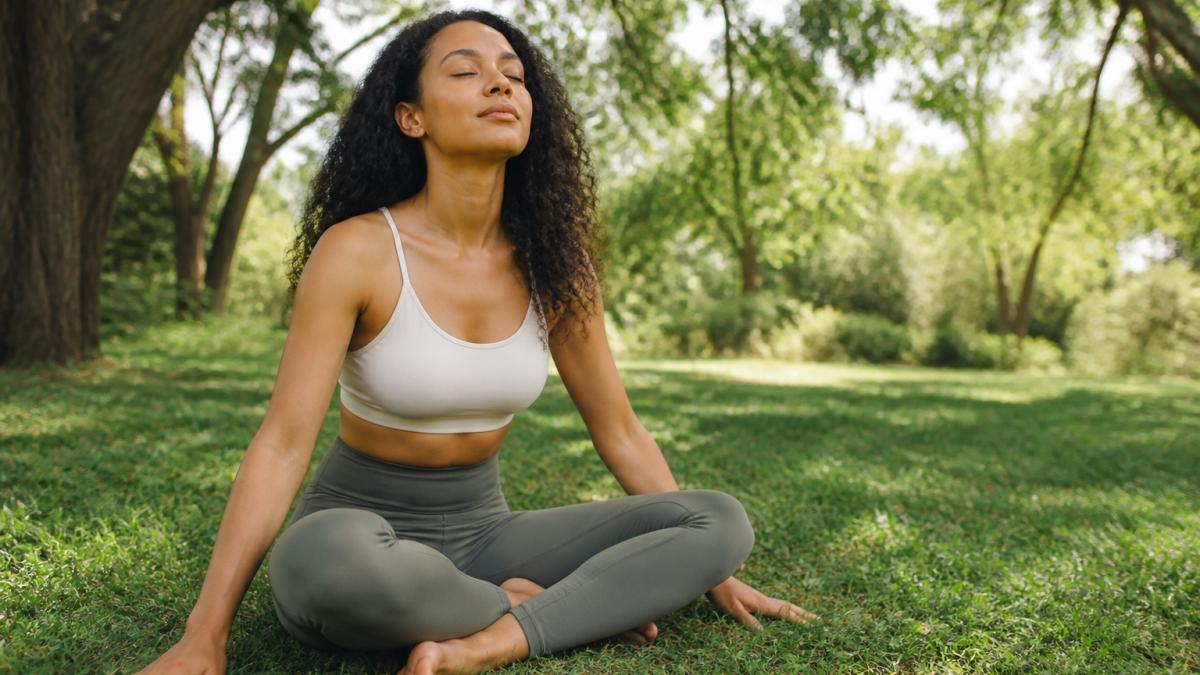
The 5-4-3-2-1 technique is one of the most effective grounding practices. It works by engaging all five senses:
- Name 5 things you can see
- Name 4 things you can touch
- Name 3 things you can hear
- Name 2 things you can smell
- Name 1 thing you can taste
This practice pulls your attention out of anxious thoughts and into present-moment awareness, calming your nervous system.
Walking barefoot on grass, soil, or sand for 10-15 minutes (earthing) reduces stress and supports nervous system regulation.
How to Reset Your Nervous System with Movement and Daily Rituals
Movement and consistent daily practices create lasting nervous system regulation. The key is matching the right practice to your current state and building a realistic routine you'll maintain.
Physical Activity and Gentle Movement
Movement releases stress held in your body. Gentle, intentional movement is often more effective for nervous system regulation than intense exercise, which can increase cortisol if your nervous system is already dysregulated.
Effective practices include:
- Yoga (especially slower, yin-based or restorative styles; avoid vigorous vinyasa if you're in acute stress)
- Walking in nature (15-30 minutes at a comfortable pace)
- Tai chi or qigong (flowing, meditative movement)
- Stretching or gentle flowing movements (5-15 minutes)
- Dance or free-form movement (moving intuitively to music you enjoy)
- Swimming or water-based movement (low-impact, grounding)
Aim for 15-30 minutes of gentle movement daily. Pay attention to how your body feels as you move, this body awareness deepens nervous system regulation.
Choosing movement by your current state:
- Acute panic or high anxiety: Start with very slow, grounded movement (gentle stretching, slow walking, tai chi).
- Chronically stressed or tense: Moderate-paced movement (20-30 minute walks, flowing yoga, swimming) releases held tension.
- Numb or disconnected: More dynamic movement (dance, flowing sequences, qigong) reconnects you with sensation.
- Limited mobility or pain: Gentle seated stretches, water-based movement, or guided slow yoga work equally well.
Building a Structured Daily Practice
A consistent 10-minute daily practice transforms your baseline more than occasional intensive sessions. Here's a realistic framework you can adapt:
Morning routine (10-15 minutes):
- Diaphragmatic breathing (5 minutes), Signals safety to your nervous system before the day begins
- Gentle movement or stretching (5-10 minutes), Wakes your body mindfully and releases overnight tension
Midday or as-needed (5-10 minutes):
- Grounding practice (5-4-3-2-1 technique or barefoot contact with earth), Resets your state if stress builds during the day
- Humming or box breathing, Quick reset during work or transitions
Evening routine (10-20 minutes):
- Gentle movement or yoga (10 minutes), Releases daytime tension
- Extended exhale breathing or body scan (5-10 minutes), Prepares your nervous system for sleep
Weekly additions:
- Cold-water exposure (2-3 times weekly, 15-30 seconds), If suitable for your health
- Time in nature (20-30 minutes, 3-4 times weekly), Grounding and restorative
- Longer movement session (30-45 minutes once weekly), Walking, yoga, swimming, or your preferred practice
Tracking progress: Track these markers weekly: recovery speed from stress, sleep quality, baseline anxiety level, physical tension, and emotional resilience. Small shifts over 2-4 weeks signal your practice is working. If you see no change after 4-6 weeks, consider adding a different technique or seeking professional guidance.
Accessibility and Alternatives
Not every technique works for every body. Here are common barriers and alternatives:
| Barrier | Unsuitable Practices | Accessible Alternatives |
|---|---|---|
| Limited mobility or chronic pain | Vigorous yoga, intense walking, cold-water exposure | Seated stretching, water-based movement, gentle tai chi, humming, breathing exercises |
| Breath-focused anxiety or asthma | Extended exhale breathing, breath-holding techniques | Grounding (5-4-3-2-1), movement, humming, progressive muscle relaxation |
| Sensory sensitivities | Cold-water exposure, intense humming | Gentle neck massage, slow walking, stretching, grounding through touch |
| Hearing loss or deafness | Humming, gargling | Vagus-nerve massage, cold-water exposure (if safe), movement, vibration-based practices |
| Trauma history or dissociation | Intense breathing holds, cold shock | Slow, grounded movement, gentle grounding, somatic therapy with a trained practitioner |
| Social anxiety or privacy concerns | Group classes | Home-based practices, solo walks, online guided sessions, one-on-one coaching |
If you find yourself avoiding all techniques or feeling worse after practice, this is important information. It may signal that your nervous system needs professional support rather than self-directed tools.
Quick Techniques for Acute Stress and When to Seek Support
Box breathing (also called square breathing) calms acute anxiety in 2-3 minutes:
- Breathe in for 4 counts
- Hold for 4 counts
- Breathe out for 4 counts
- Hold for 4 counts
- Repeat 5-10 times
Progressive muscle relaxation releases tension quickly:
- Tense a muscle group for 5 seconds
- Release suddenly and notice the relief
- Move through all major muscle groups
- Takes about 10 minutes total
These techniques work because they interrupt the stress cycle and signal your nervous system to shift modes.
However, self-help has limits. If you experience persistent anxiety, panic attacks, trauma symptoms, or chronic dysregulation that doesn't improve with these practices, seek support from a mental health professional.
If you're interested in deepening your nervous system work with spiritual context and practical guidance, IYNI-K's Calming the Nervous System guide combines somatic techniques with spiritual wisdom.
Frequently Asked Questions
How long does it take to calm your nervous system naturally?
Some techniques work within seconds to minutes. Extended exhale breathing and cold-water exposure can shift your nervous system within 30-60 seconds. Other practices, like daily movement and consistent self-care rituals, build regulation over weeks and months. Most people notice meaningful changes in anxiety and stress response within 2-3 weeks of regular practice. The key is consistency, short daily sessions create lasting nervous system rebalancing more effectively than occasional intense efforts.
Can breathing exercises help regulate the nervous system?
Yes. Breathing exercises directly activate your parasympathetic nervous system, which signals safety to your body. Extended exhale breathing and diaphragmatic breathing are particularly effective because they slow your heart rate and lower cortisol. Even 5-10 minutes of controlled breathing can calm anxiety and reset stress response. Breathing is one of the fastest, most accessible ways to calm your nervous system naturally because it bridges your conscious mind and automatic nervous system function.
What are vagus nerve exercises and how do they calm your nervous system?
Vagus nerve exercises stimulate the vagus nerve, which runs from your brain to your gut and controls your parasympathetic nervous system. Cold-water exposure, humming, gargling, and singing activate this nerve and signal safety to your body. When your vagus nerve is toned, your nervous system recovers faster from stress. These exercises are simple (cold showers take 30-60 seconds, humming takes minutes) and create measurable shifts in heart rate, breath, and emotional state.
When should I seek professional help for ongoing stress or anxiety?
If stress or anxiety persists despite consistent self-care practices, interferes with daily functioning, or follows trauma, professional support is essential. A therapist, counselor, or doctor can identify underlying conditions and provide specialized care. Self-regulation tools complement professional treatment but do not replace it. Seek help if you experience panic attacks, persistent sleep disruption, intrusive thoughts, or feelings of hopelessness. Combining natural nervous system techniques with professional guidance creates the most effective healing path.
Calming your nervous system naturally is possible. You don't need medications or expensive treatments. You need consistent practice, self-awareness, and tools that actually work. IYNI-K's guides provide exactly this: practical techniques grounded in spiritual wisdom that help you regulate your nervous system, reconnect with your intuition, and step into lasting peace. Start with one technique today. Your nervous system will thank you.